Over the past few years, B2B advertising has undergone a necessary and celebrated revolution.
Cannes-winning work demonstrated that B2B didn’t have to be dry or functional, injecting fresh energy and entertainment into the category and proving that decision-makers appreciate world-class creativity just as much as everyday consumers.
Looking at the 2026 Cannes Lions B2B winners, however, something more interesting is happening. B2B creativity isn’t simply becoming more entertaining. The work rising to the top is demonstrating just how broad the creative opportunity has become.
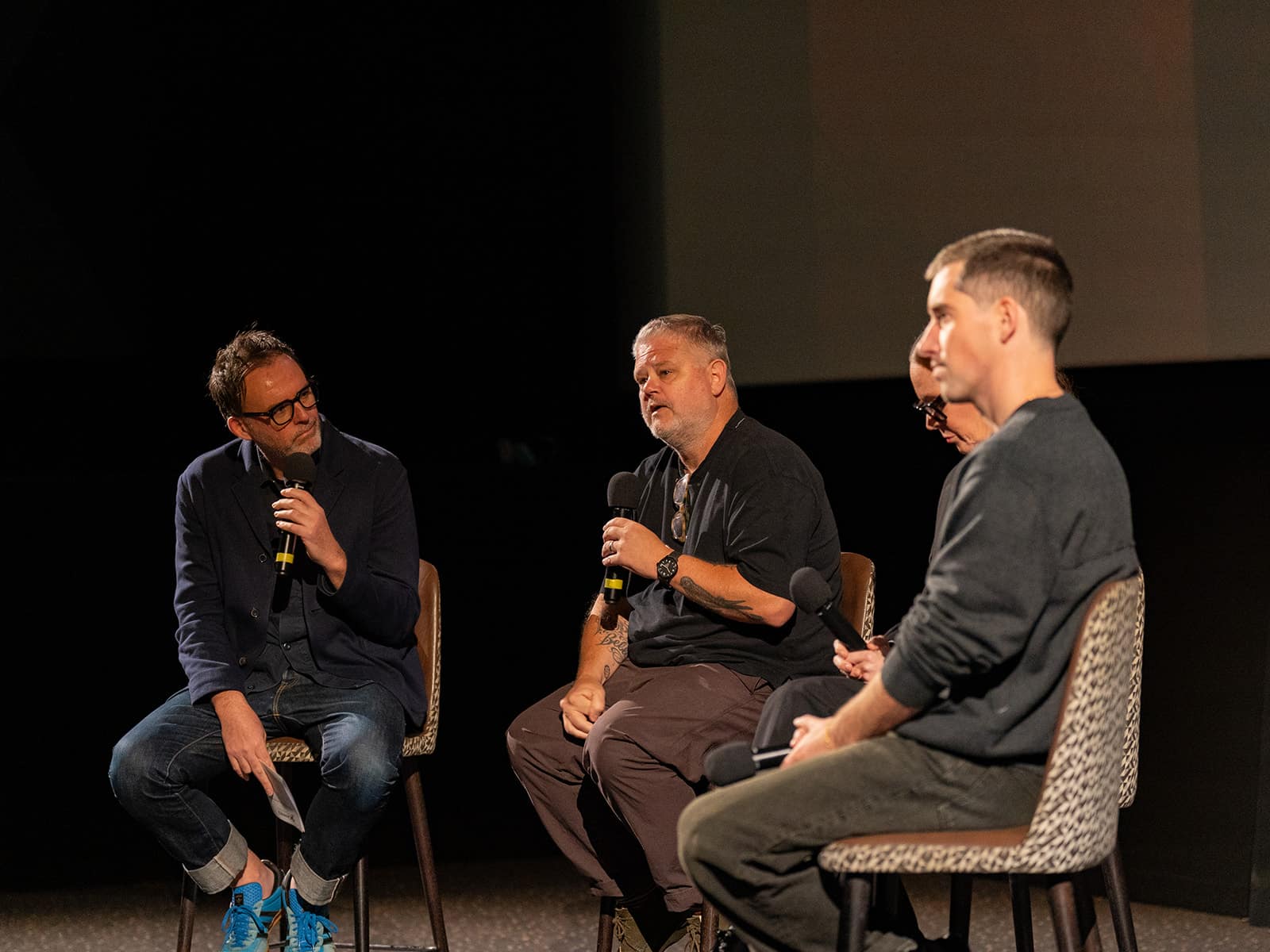
At this year’s Cannes Download in Sydney, moderator and B.Smart founder Brent Smart singled out Heineken’s The Pub That Refused to Die as his favourite B2B work from the Festival – a story of 26 locals who came together to save their last remaining pub, with Heineken providing practical support to help make it viable.
Another strand of the winning work points to an opportunity particularly relevant to B2B businesses: finding creative potential in what they already do.
That was one of the observations made by Sam Stuchbury, Founder & ECD of Motion Sickness NZ and a 2026 Cannes Lions B2B juror, at the same session.
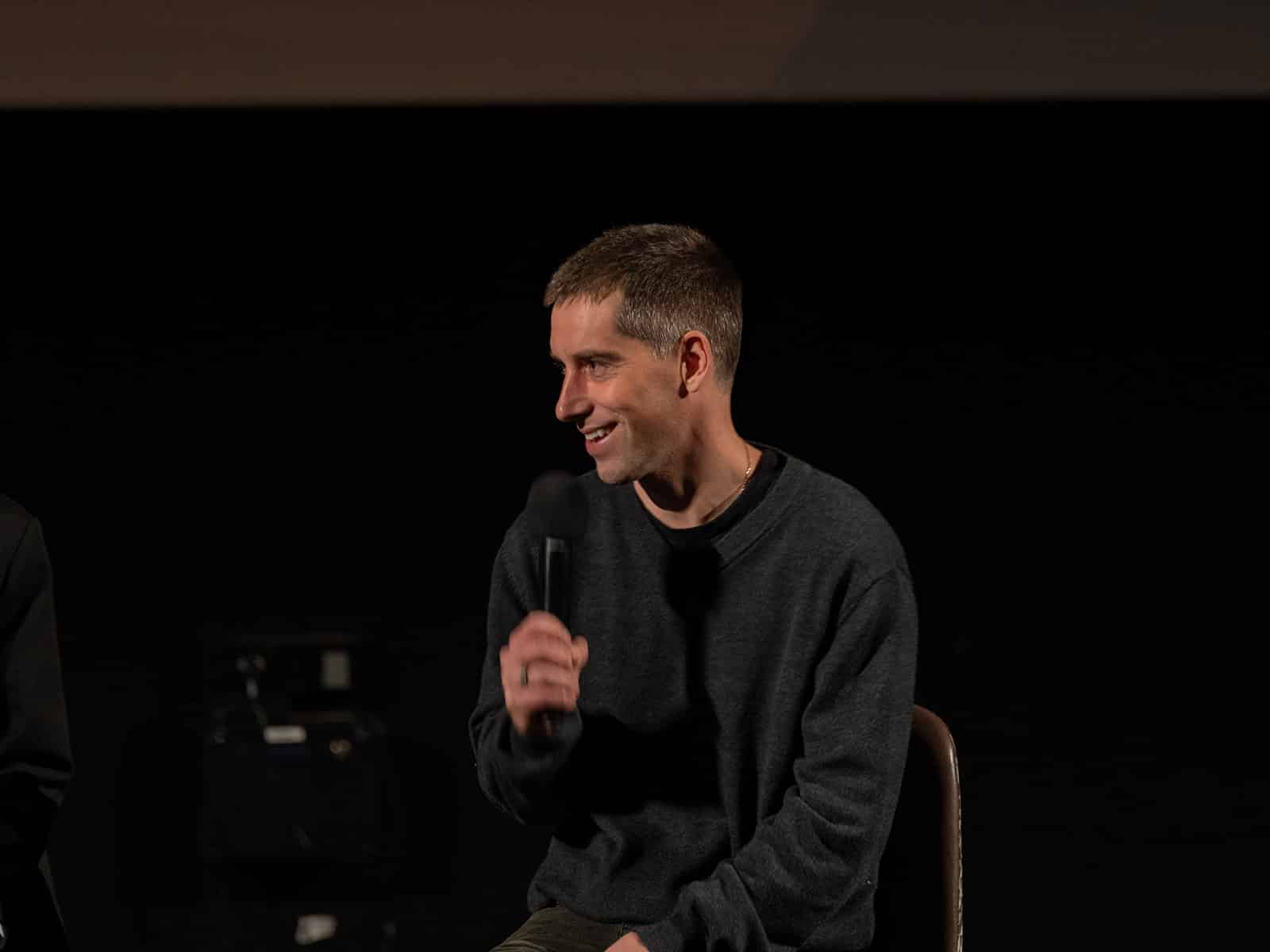
Reflecting on Grand Prix winner SKF’s Faroe Islands Space Program, Stuchbury explained that the underlying innovation wasn’t created for the campaign. The ball-bearing manufacturer was already collaborating with an underwater power plant. The creative opportunity was recognising what was sitting there and giving it a compelling position.
As Stuchbury put it: “They didn’t make the ship. They just branded it in the right way.”
His broader observation about B2B is perhaps more important: “There’s probably great innovation programs going on already, but they’re not being packaged well.”
And that reframes the opportunity.
Before asking what campaign we should create, perhaps the more interesting question is: what does the business already own that creativity could turn into a distinctive brand asset?
It might be infrastructure, technology, proprietary data, an engineering solution, a supply-chain innovation, a service platform, or a capability so familiar internally that nobody thinks of it as a marketing asset.
B2B organisations are particularly rich territory for this kind of discovery. They are filled with engineers, technologists, scientists, logistics specialists, and category experts who solve difficult problems every day. They build things, invent processes and create systems their customers depend upon – much of which never makes it anywhere near a marketing brief.
That is latent brand equity.
The creative opportunity is to identify which of those assets can be brought forward, positioned and wrapped in a narrative that makes their value visible. Done well, the result is more than a communications idea. It becomes an ownable proposition because the underlying substance is proprietary to the business.
Rather than starting at the communications layer, agencies and marketers have an opportunity to interrogate the business together. What has this organisation built, solved, engineered, invented or learned? What does it possess that its competitors cannot credibly claim? What has become ordinary to the people working there, but might be remarkable to everyone else?
The answer could be sitting in a warehouse, buried in a technology stack, embedded in a supply chain or tucked away inside an innovation program.
And because it originates inside the organisation, it carries an advantage conventional campaign ideas often don’t. Competitors can imitate advertising conventions, but it’s much harder to imitate an idea that’s baked into the business itself.
None of this diminishes the role of creativity. It makes creativity more valuable. The task isn’t simply to communicate what a company does, but to recognise which parts of what it does have the potential to become something bigger.
As Stuchbury observed at Cannes Download, the ambition of the best B2B work is changing. The opportunity for our market isn’t simply to make B2B advertising more entertaining. It’s to look harder at the businesses behind the briefs and uncover the proprietary value already there.
Before we invent the next B2B campaign, perhaps we should look inside the business first. Its raw material may already be hiding in plain sight.
Cannes Download takes place in Perth on September 1 and Brisbane on September 2. View speakers and register here.