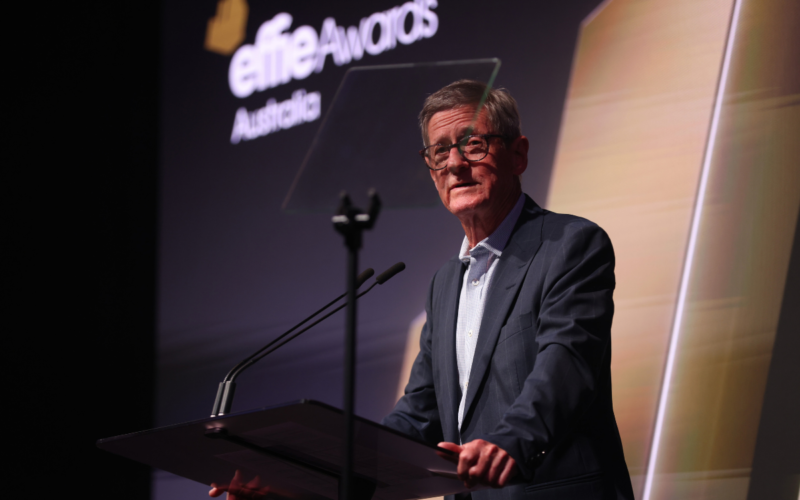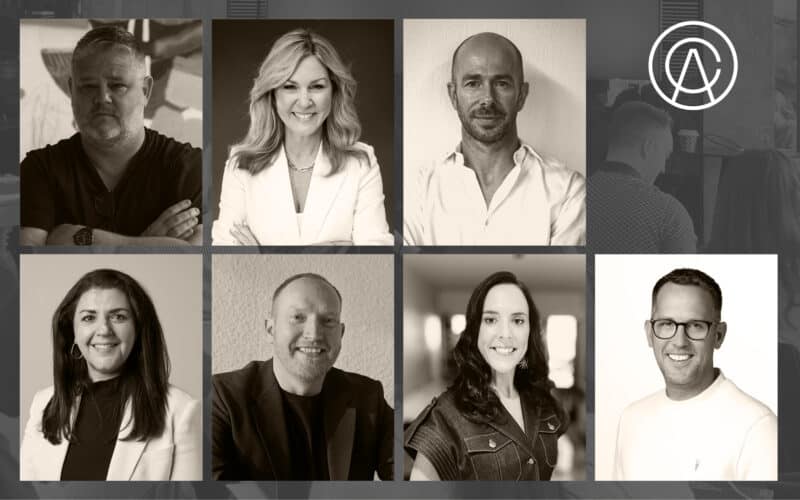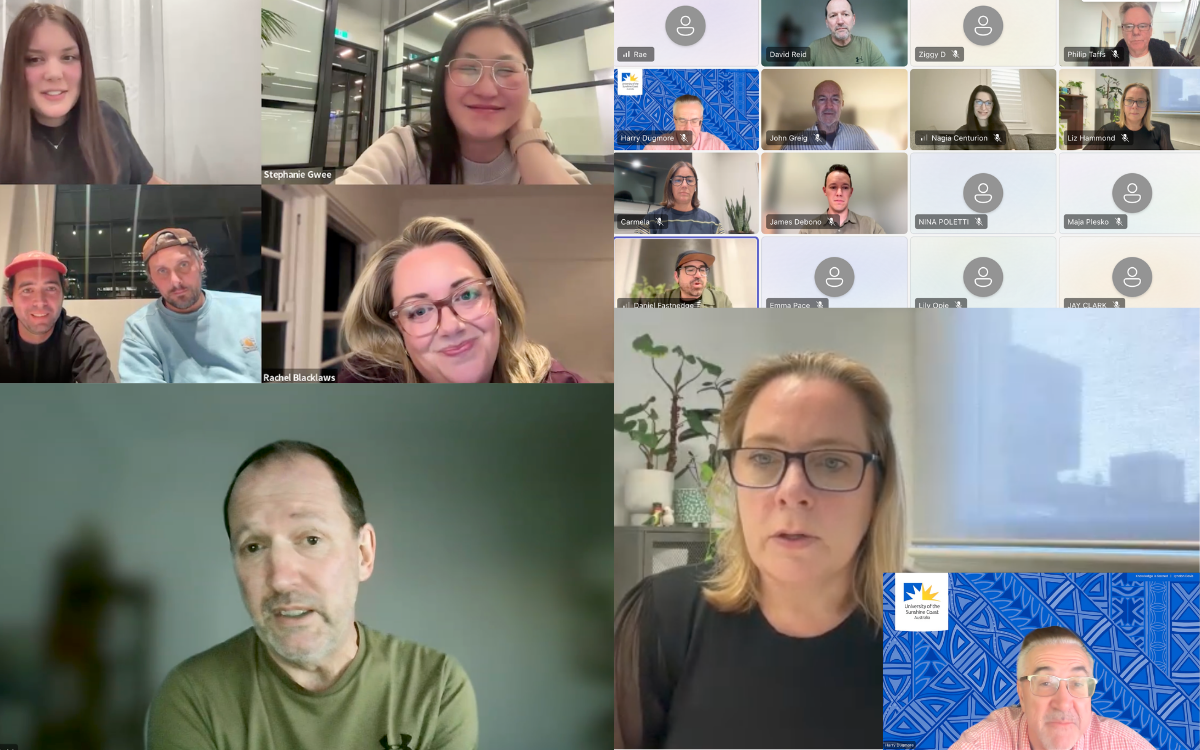
ACA served as an industry partner and host for two events last week: Advertising Capstone Challenge’s inaugural Accelerator Night, where member agency leaders addressed university students from across ANZ, and the first AWARD School 2027 Masterclass.
Combined, the two events invited over 500 people looking to break into the industry, as well as those looking to upskill in commercial creativity.
The sessions come as IAB Australia’s 2026 Digital Advertising and Ad Tech Industry Talent Review found close to half of all open roles in the sector now ask for six-plus years’ experience — a tighter entry-level market than in previous years.
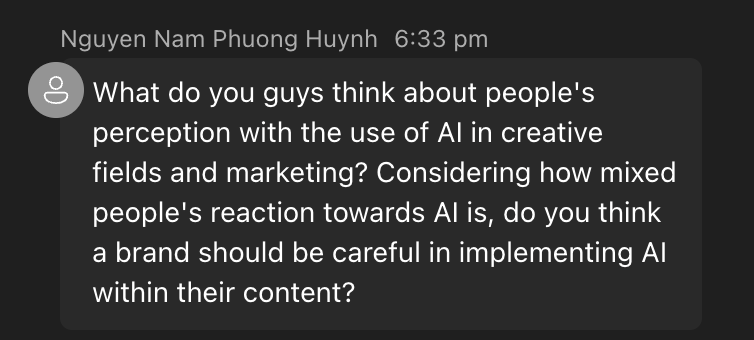
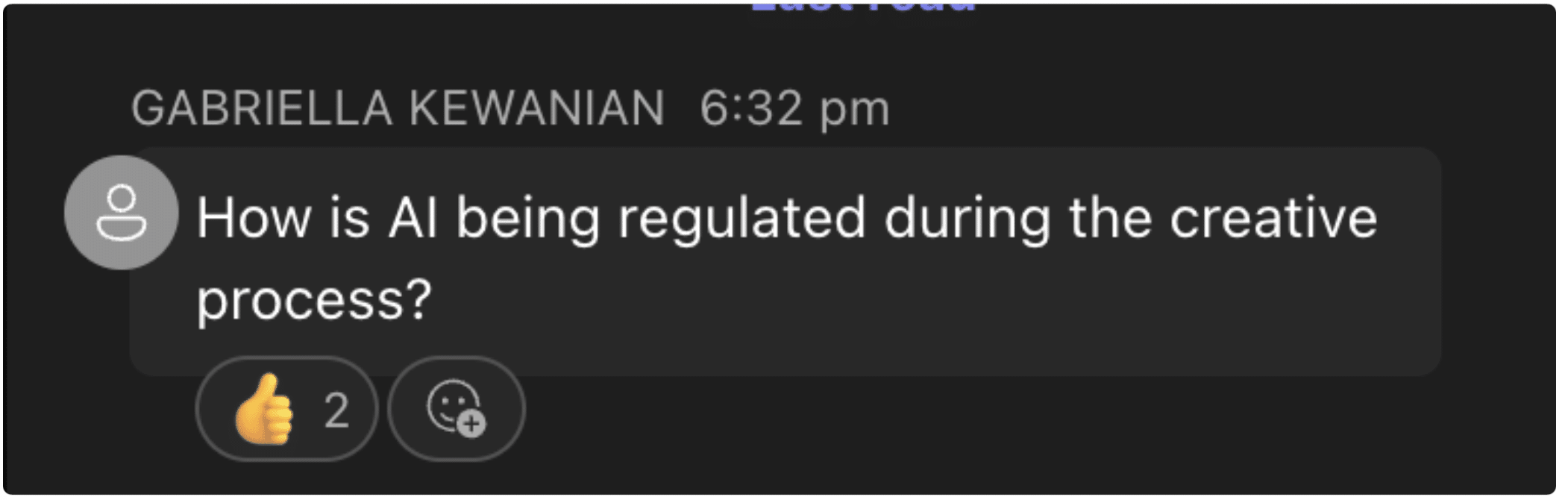
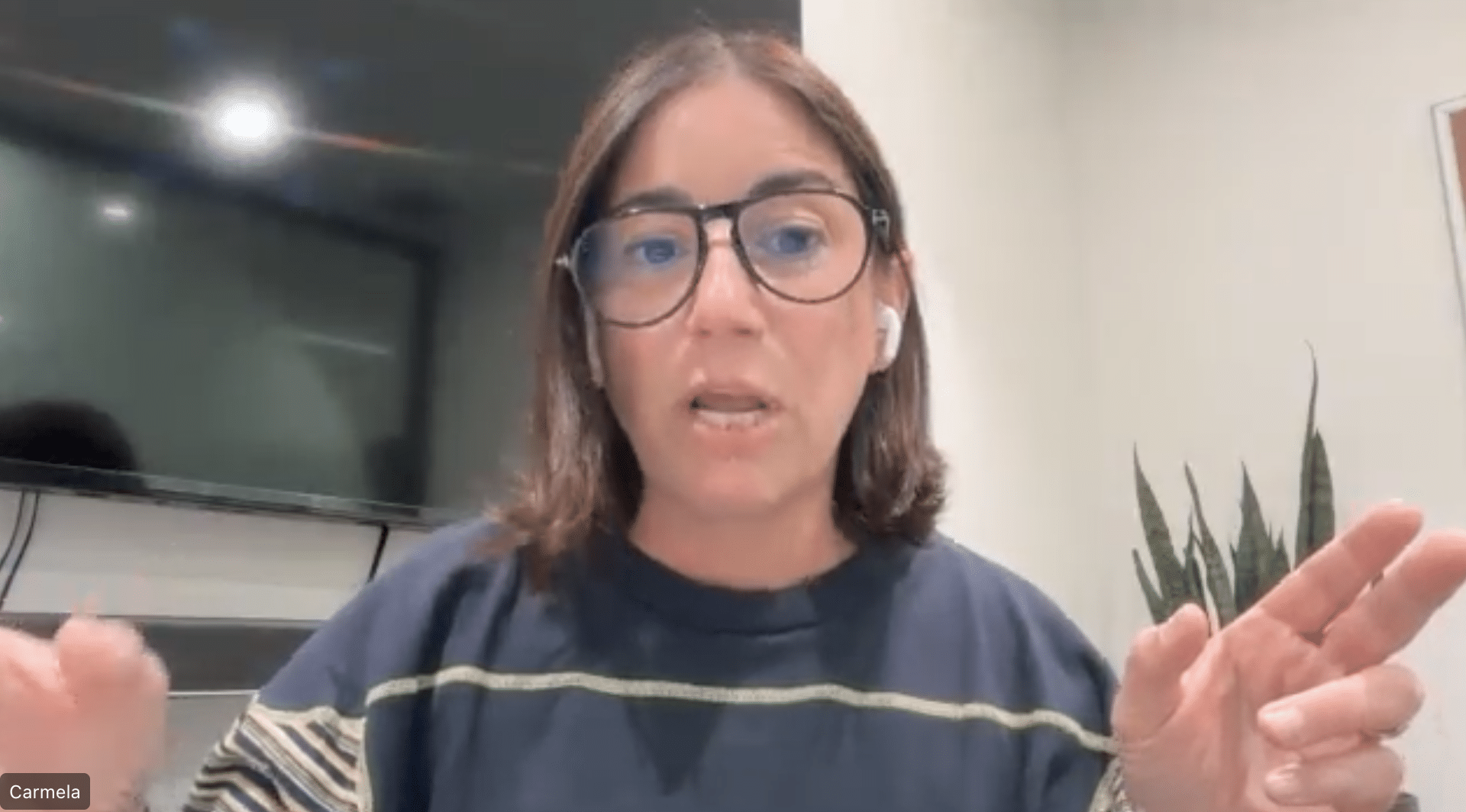
At the Accelerator, Carmela Soares, Head of Social, Content & Creative Systems at independent agency Apparent, described AI as a “creative exoskeleton”: useful for research and reference-gathering, but with no place once craft work begins. “AI can give you lots of references and stimulate your brain, but cannot be completely original and as weird as you are,” Soares said. “And trust me, weirdness is invaluable.”
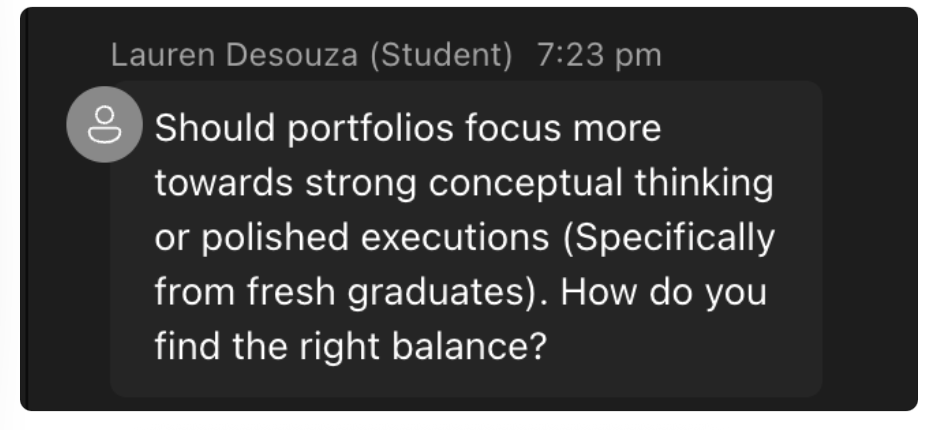
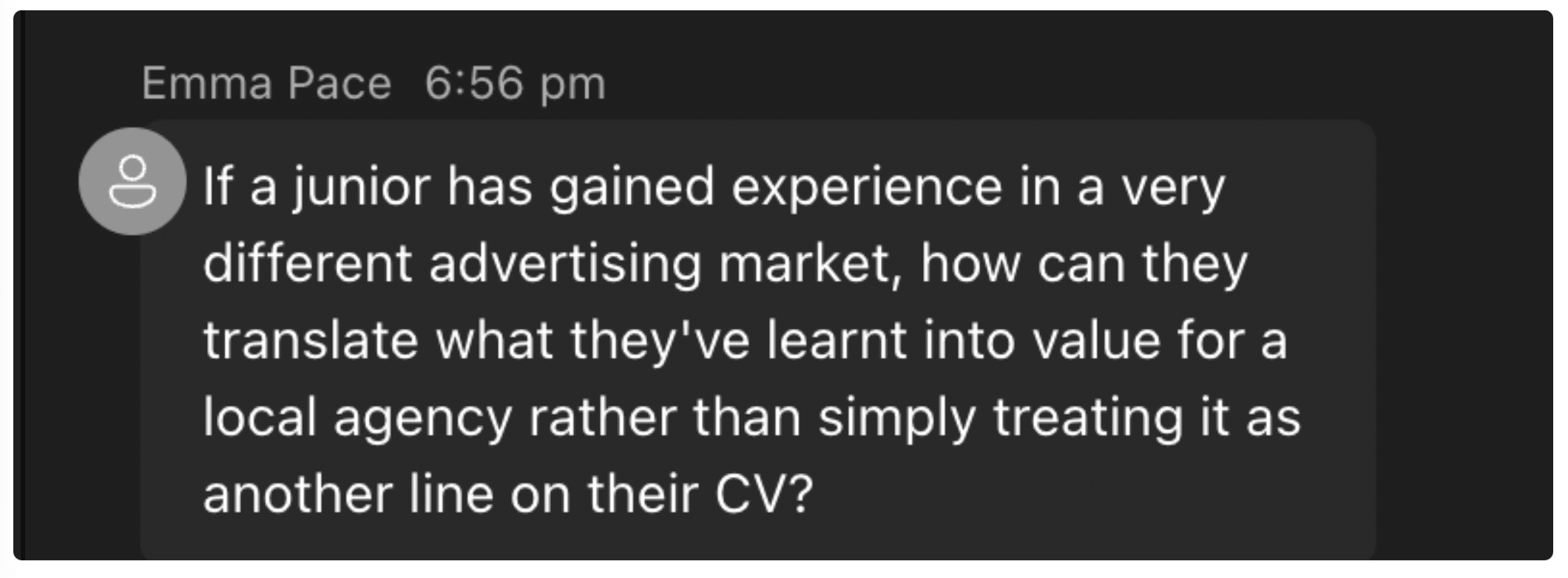
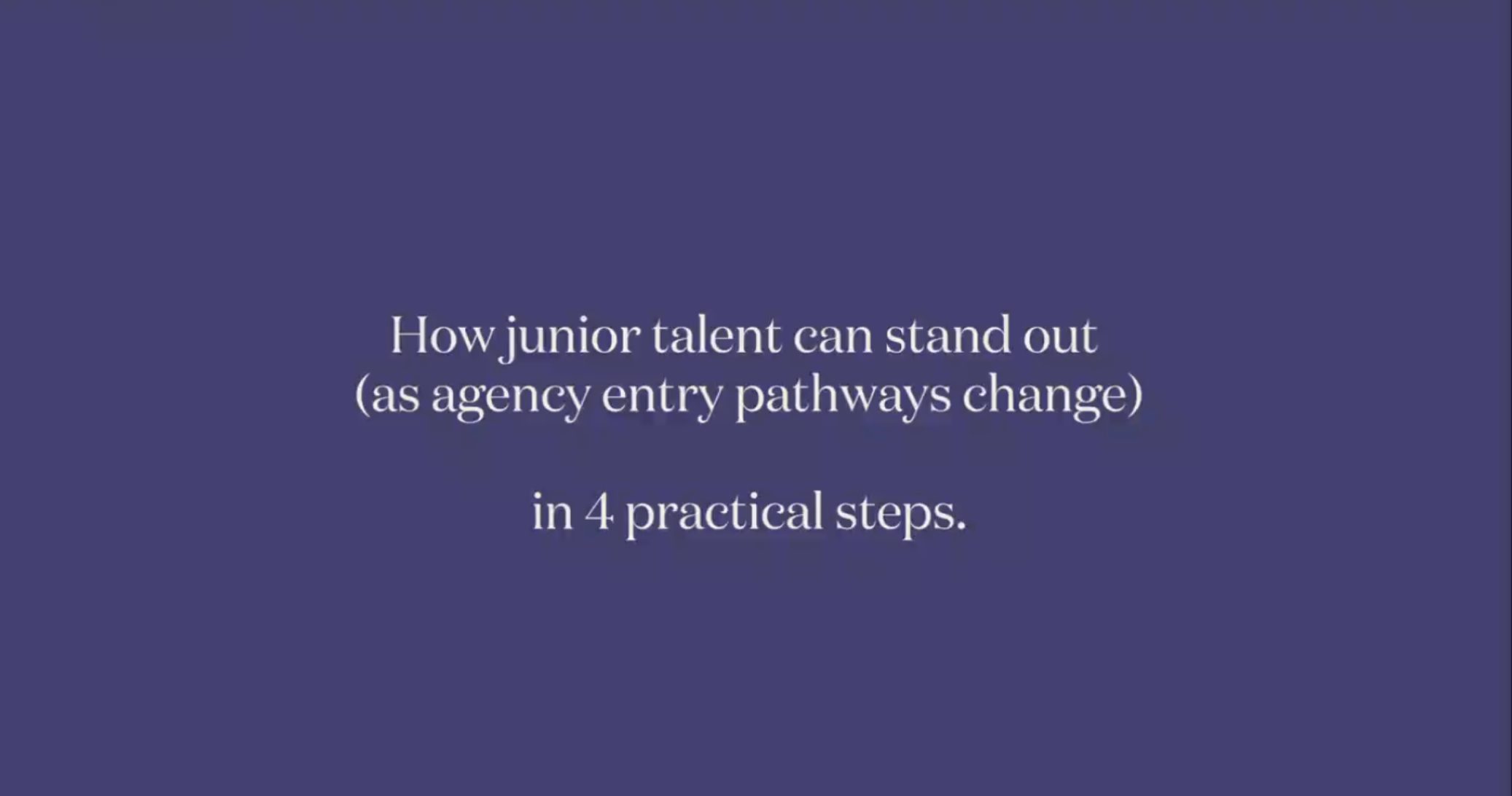
Liz Hammond, Head of Creative at independent Perth agency Rare, argued agencies replacing junior roles with AI tools were undermining their own talent pipeline. “Any agency that is replacing junior roles with AI is not doing the right thing,” she said, urging students instead to identify what makes them distinct, target a small list of agencies with genuine crossover, and lead with a portfolio of six to ten portfolio pieces on first contact.
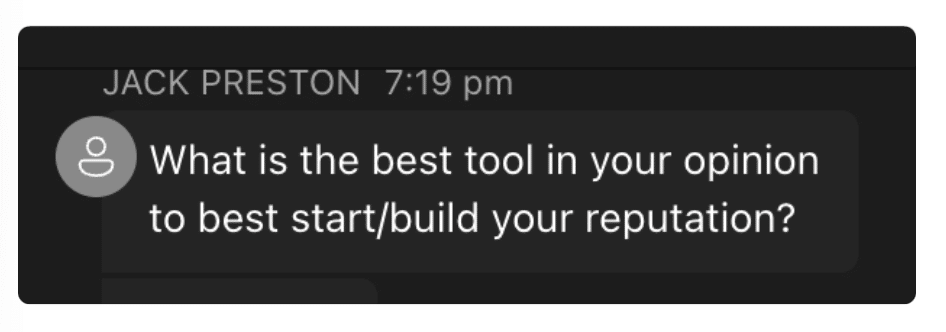
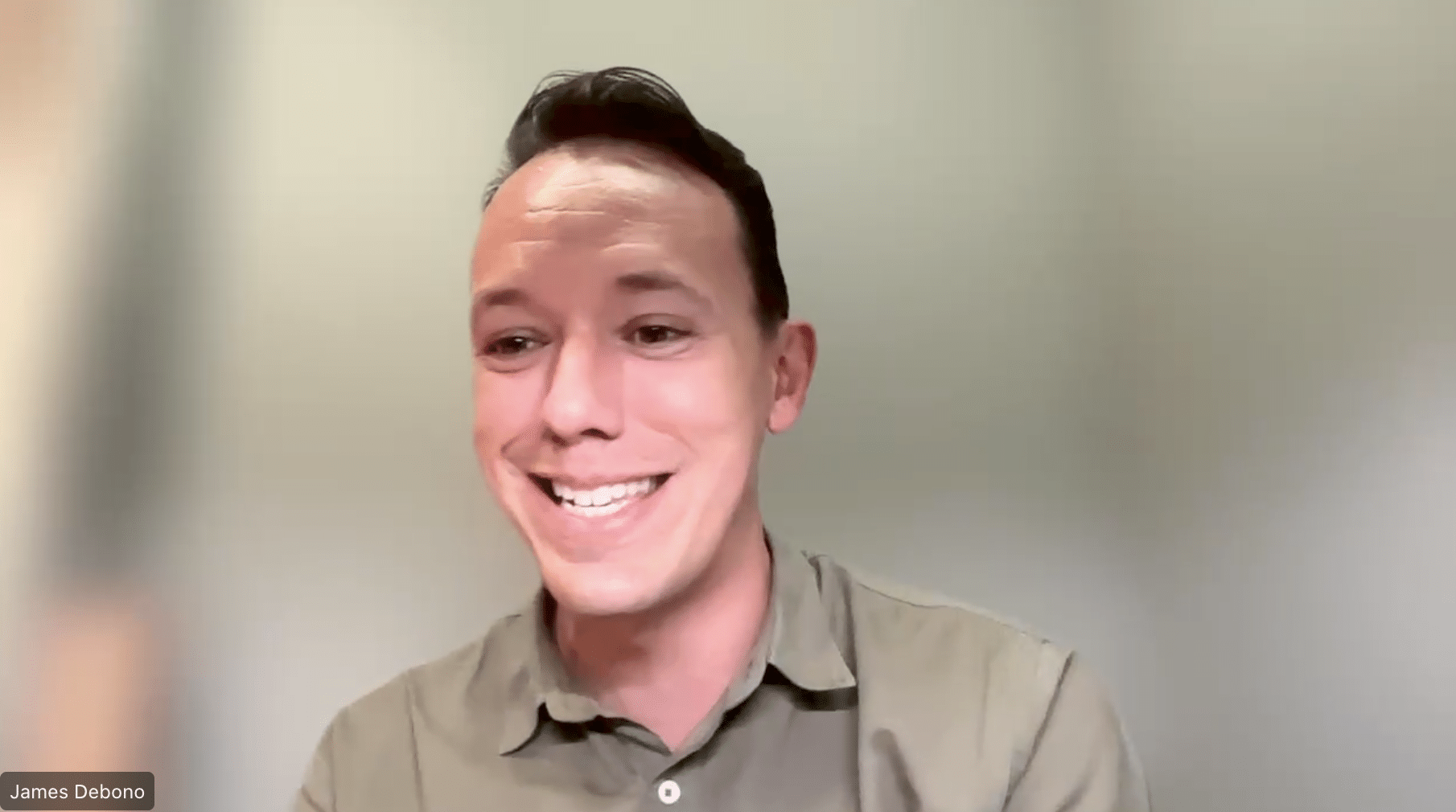
James Debono, Client Services Director at Melbourne indie agency Town Square, told students that reputation and client relationships remained “the few things in this industry that can’t be commoditised, that can’t be taken by AI.”

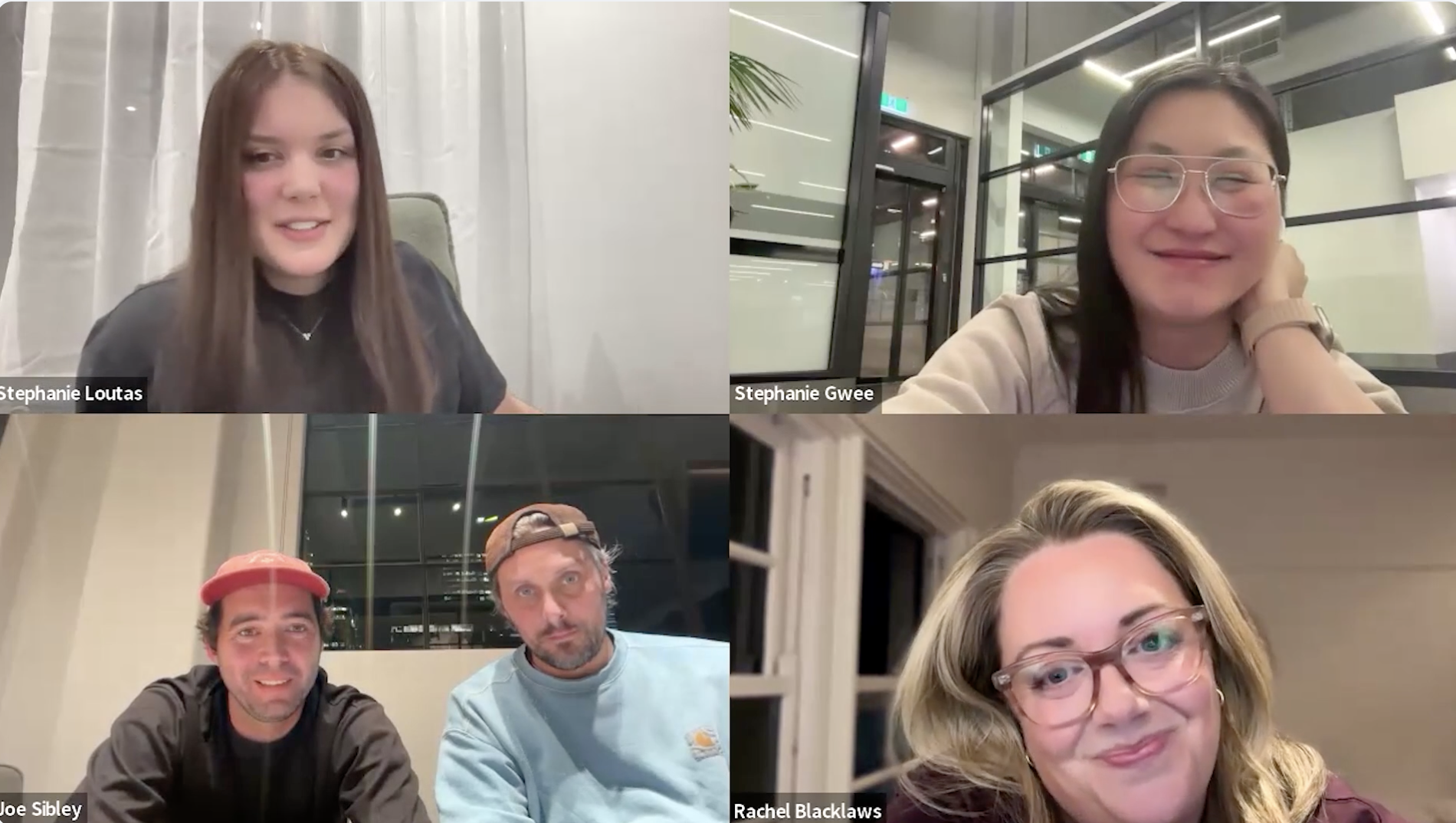
At the AWARD School Masterclass, creative directors Stephanie Gwee (TBWA) and Rachael Blacklaws (R/GA) walked attendees through what it takes to nail a creative brief.
Blacklaws relayed that their personal background remained an asset AI could not replicate. “AI hasn’t lived your life,” she said. “It can interrogate, but it can’t bring freshness. Whatever you bring in from outside the brief — your hobbies, background or the debate you heard at the pub last night — is the kind of input no model has access to.”
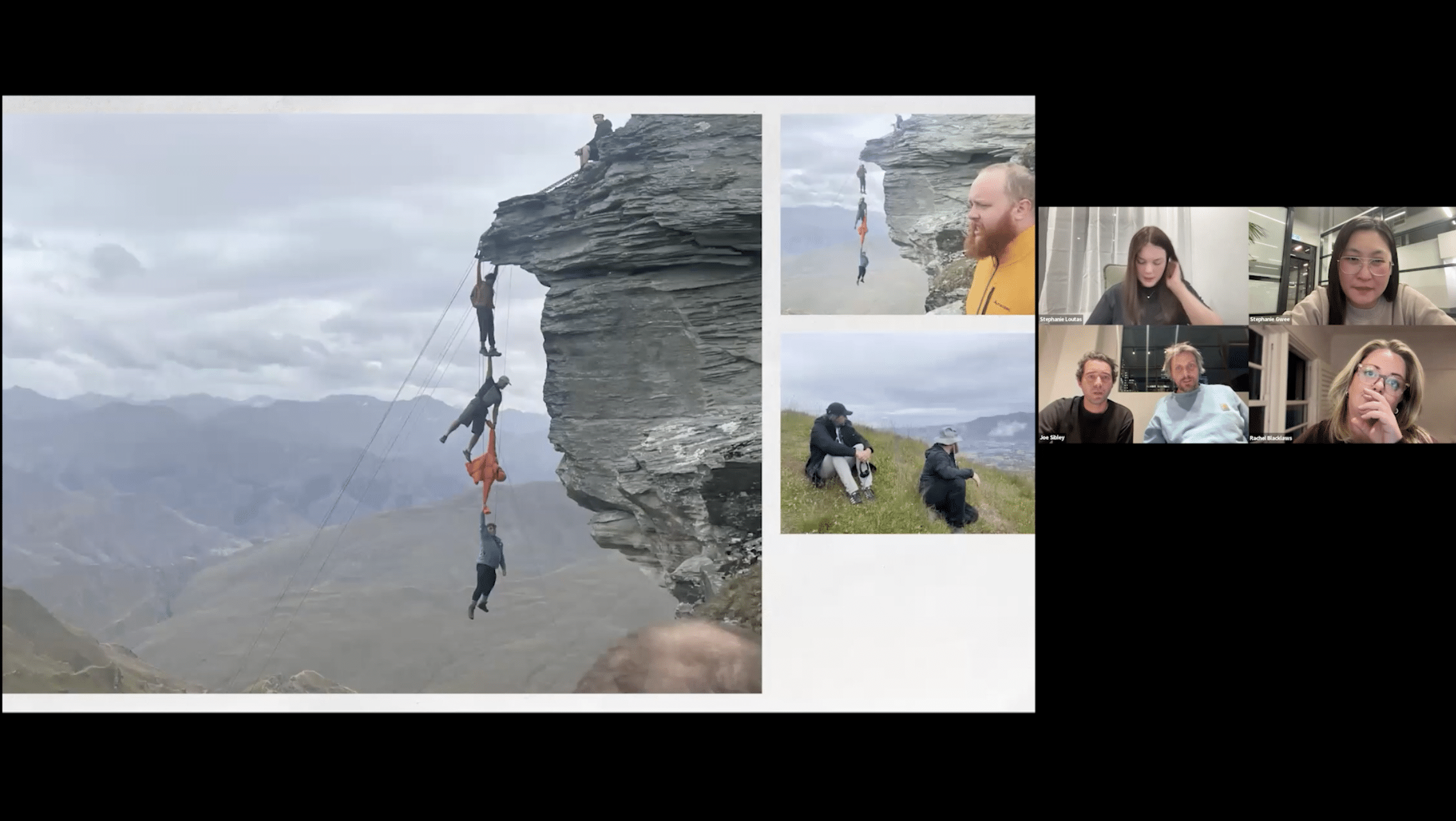
Creative duo Hugh Gurney and Joe Sibley, Executive Creative Directors at Kerfuffle, walked students through their award-winning “A Bit Precarious” campaign for Macpac, developed at The Monkeys, to demonstrate how to combine insights with real-world observations, the kind no brief ever spells out, to create work that lands.
The takeaway? AI can research, reference and speed things up, but it can’t spot the throwaway line nobody else caught, draw on a life it hasn’t lived, or send the follow-up email that actually gets remembered.
That still comes from people, usually juniors, usually early in their careers, and usually the exact cohort the industry is currently most nervous about investing in.
For ACA, supporting the Accelerator and running the AWARD School Masterclass on the same night wasn’t a coincidence; it’s what backing the pipeline actually looks like in practice.
New talent, the organisation argues, isn’t a cost centre to automate away. It’s the only thing standing between the industry now and an industry in ten years with nobody left who remembers how any of this works.
 .
.