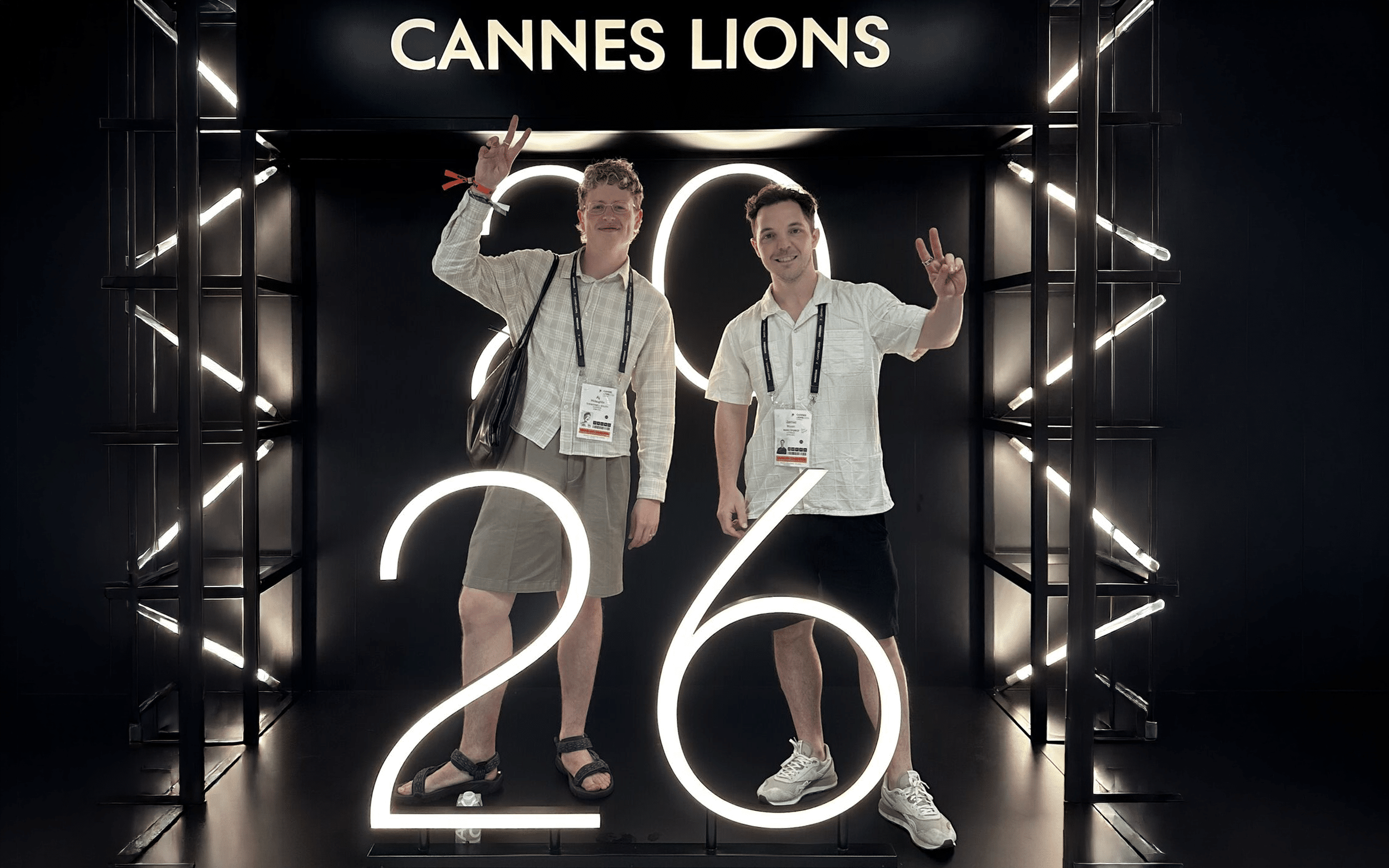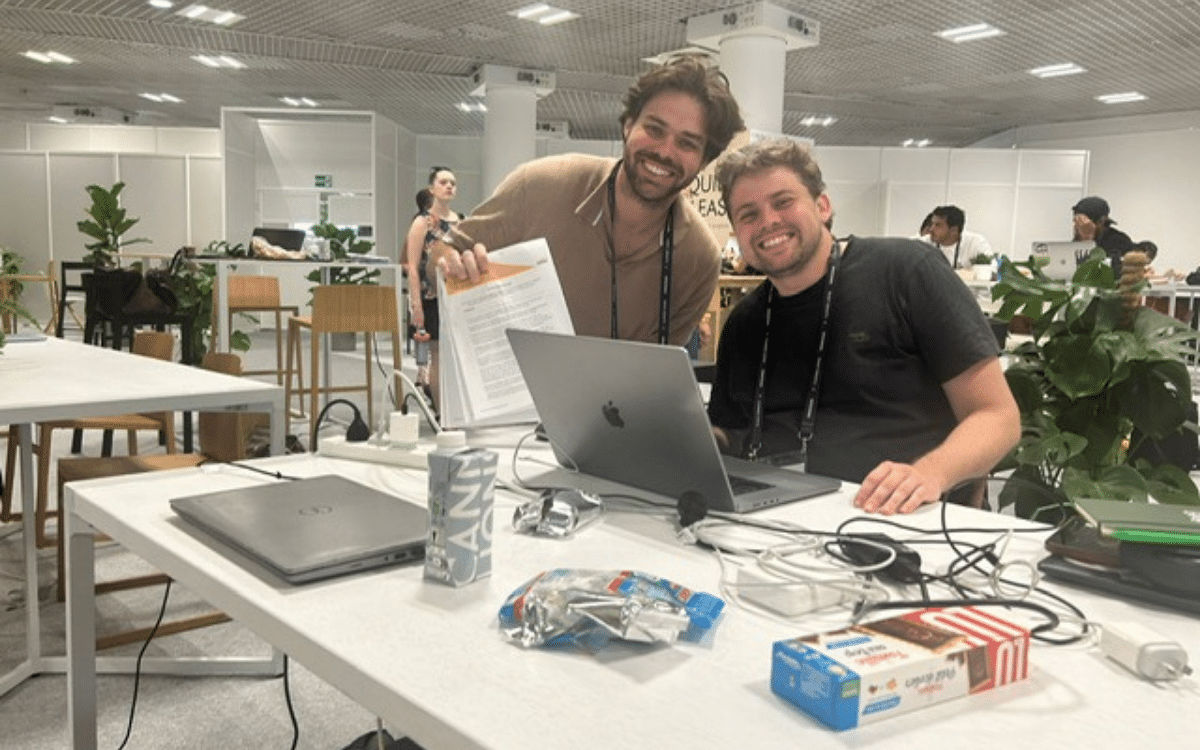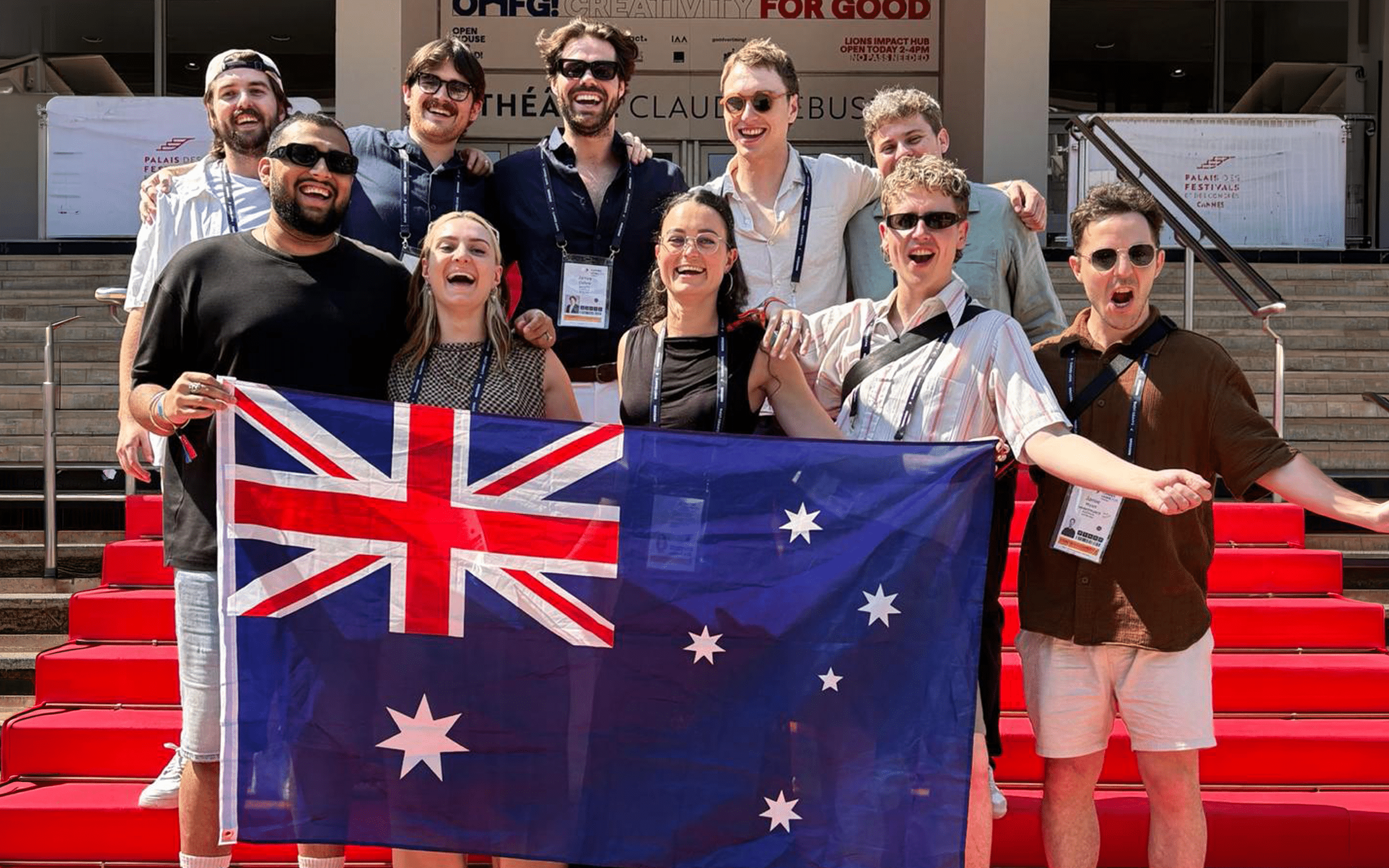
Australia’s 2026 Young Lions teams took on the global stage at Cannes last week, competing against young professionals from 69 countries in one of the industry’s most intense creative competitions.
More than 400 competitors took part in this year’s global Young Lions Competitions, responding to live briefs from NGOs, charities and purpose-led organisations across seven categories. Teams had just 24 hours to develop their ideas, or 48 hours in Film, with work judged by members of the Cannes Lions juries during the Festival.
Australia was represented by 10 emerging professionals across five categories: Ashu Matai and Joe Douglas from Initiative in Media; Henry Van Laeren from Google and James Oxford from Reckitt in Marketing; Alicia Spyropoulos and Zoe d’Orey from The Taboo Group in Digital; Joseph Wilkie from Moonsail and Cathal Mongey in Film; and Jamie Wyatt, and with AJ McLaughlin from Thinkerbell in PR.
The 2026 briefs challenged teams to tackle a wide range of global issues, from reimagining the Red Nose for Gen Z activism and making advanced breast cancer data impossible to ignore, to reframing water safety, reconnecting people with the wild, and making space governance feel visible and relevant.
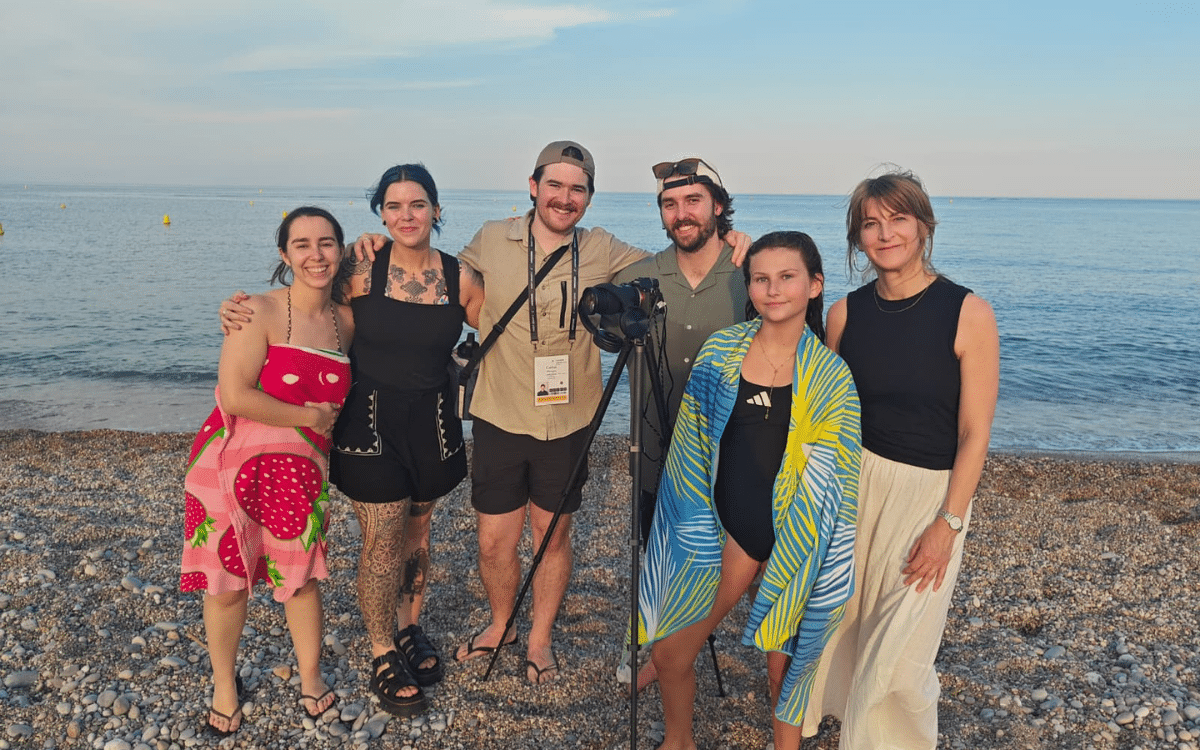
While Australia did not medal this year, the team delivered a strong showing, with two Australian pairs shortlisted globally in Film and PR. Joe Wilkie and Cathal Mongey’s Film shortlist placed them among the top teams in the world, after responding to a 48-hour brief from the Princess Charlene of Monaco Foundation asking competitors to create a 60-second film to shift behaviour around water safety.
The result was a major moment for the WA-based pair, who represented Australia after winning the local Film category with Dunno?. Jamie Wyatt and AJ McLaughlin also earned a global shortlist in PR, competing against teams from around the world on a United Nations Office for Outer Space Affairs brief asking competitors to make space governance feel relevant to everyday life.
Australia’s other teams also took on complex briefs under significant time pressure, bringing the same ambition and energy that saw them win their national categories earlier this year.
For every competitor, Cannes offered a rare chance to test their thinking against the best young talent in the world, inside the pressure cooker of the Festival itself. The work may not have returned medals this year, but two global shortlists and five teams competing at that level remain a strong marker of the depth of emerging Australian talent.