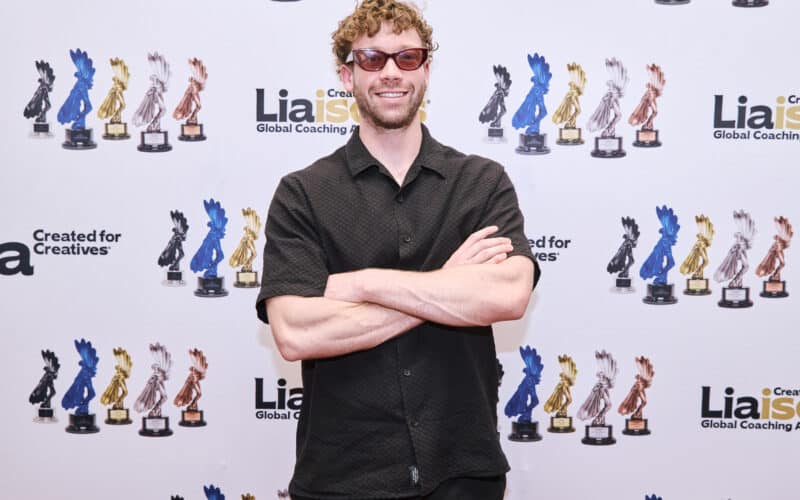
Last Thursday, UK strategist Kevin Chesters delivered a provocative masterclass on team dynamics to Australia’s advertising elite, challenging traditional notions of workplace culture with his “gang mentality” approach.
Speaking at Advertising Council Australia’s Better Together event, Chesters urged agency leaders to think beyond perks and management theory, and focus instead on building cultures of loyalty, belief and shared purpose — the kind that feel more like tight-knit tribes than corporate departments.
“It’s not about being pirates or rebels,” Chesters told the room of top strategists and agency leaders. “It’s about creating an undeniable swagger; something so compelling, people want to be part of it.”
Drawing on examples from the All Blacks, US Marines, NASA, Apple, and Patagonia, Chesters revealed how high-performing teams, or “gangs”, share a distinct set of traits: a clear purpose, a shared code, a sense of pride, loyalty that’s earned, not enforced, and a powerful visual and cultural identity that runs deeper than logos.
“Humans need a purpose,” he said. “We’re happier and live longer when we understand our collective aim.”
He pointed to BBC’s founding mission – “inform, educate, entertain” – and NASA’s moonshot mentality as enduring examples of unifying purpose that inspires belief and behaviour at scale.
Chesters, whose CV includes senior strategy roles at Wieden+Kennedy, Ogilvy and Saatchi & Saatchi, also warned that the biggest barrier to creative culture isn’t lack of talent but misalignment at the top.
“Ninety percent of projects fail because the leadership team isn’t aligned on why they exist or what they’re trying to achieve,” he said. “The magic happens when creative, business, and strategy leads are on the same page.”
He closed with a challenge to leaders: “Build a culture so magnetic, people are desperate to be part of it.”
Kevin Chesters: 10 points for building strong agency culture
- Code: Every successful team needs a core belief system. Like Marines’ “Semper Fi” (Always Faithful) or the police’s “Protect and Serve”, a shared code creates unity and defines what makes your group unique.
- Aim: Humans crave purpose. Whether it’s the BBC’s mission to inform and entertain, or the Scouts’ goal to help others, having a clear collective objective gives meaning and drives motivation.
- Loyalty: Deep, irrational commitment to your tribe. Think Swifties or Apple users – a connection so strong it transcends logic, where members will defend and support each other unconditionally.
- Pride: Feeling genuinely good about the organisation you represent. Pride isn’t just a logo, it’s an emotional connection that makes you want to champion your team’s mission.
- Enemy: Every great team defines itself not just by what it is, but what it’s against. A common adversary unites and galvanises a group.
- Iconography: Powerful visual symbols that instantly communicate belonging. Brands like Supreme or Beats by Dre show how shared imagery can create instant recognition and tribal identity.
- Fear: Successful groups are respected and sometimes feared by competitors, creating a reputation that precedes them.
- Place: An office or gathering space should be more than just a workplace. It should be a “beacon” – a safe, inspiring environment where team members want to spend time and feel a sense of belonging.
- Damage: High-performing teams leave a mark. “Damage” is about creating outsized impact — being so influential that your presence shifts the dynamic before you even act. In agency terms, it’s reputation, recognition, and work that speaks loud enough to move the room.
- Swagger: Confidence without arrogance – a self-assured attitude that comes from knowing your team’s capabilities and believing in your collective strength.