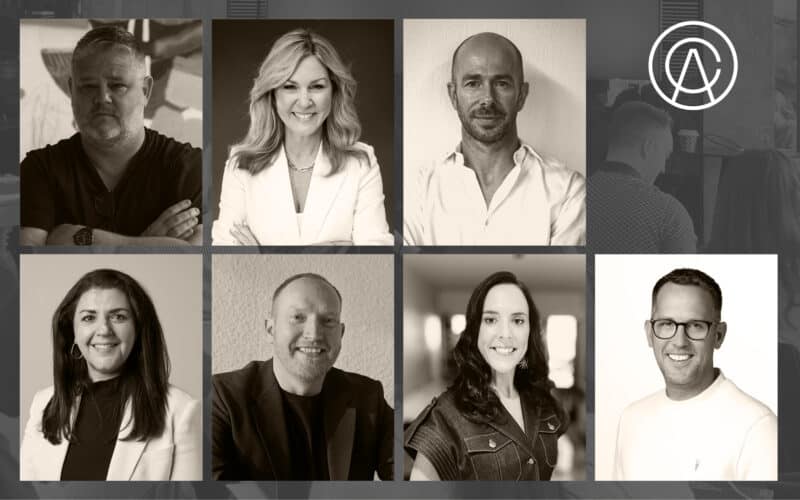
Sarah Jones-Palmer, Co-Founder, The Human Co
***
In fast-moving organisations, growth often arrives like a wave: a major pitch win, a merger or acquisition, a funding milestone, a restructure, or the arrival of a new rockstar CEO.
There’s energy, momentum, and a sense of urgency. Decisions are often made quickly to shift headcount, create new structures, and move leaders into evolved or new roles. And somewhere in the middle of the wave of urgency, something subtle begins to slip.
It’s not about the strategy or the ambition. It’s the cultural clarity that strengthens how people work together. When this alignment starts to slide, the momentum can get noisy.
When growth hits, culture often gets sidelined
I’ve worked across creative and marketing-led businesses that are navigating all kinds of transitions, including rapid growth, account wins, leadership turnover, and at times, painful contractions. And regardless of the trigger, the risk is the same:
- Values can lose definition
- Rituals fall away
- Decision-making slows
- Trust frays
- New hires don’t stick
And yet, on the surface, the business is still moving at pace. The work is still getting done. But not with the same levels of ease or energy.
Culture isn’t a vibe — it’s your operating system
Culture is how work gets done when you’re not in the room. It’s the behaviours that people default to when things become unclear. And in periods of intense change, it becomes your most important unspoken infrastructure.
The Australian Association of National Advertisers (AANA) noted in its 2024 mid-year update that marketing leaders are seeing cultural misalignment rise as a barrier to retention, in addition to effective delivery. It’s not about good vibes; it’s about business performance.
High-performing teams don’t leave culture to chance
What do high-performing teams do differently? They take the time to get their leadership team back in rhythm; they create a shared language around behaviours and expectations; and they ask three key questions:
- What do we want this next chapter to feel like?
- Are our people aligned with how we’re moving, or are they catching up?
- What do we need to hold onto, and what needs to shift?
It’s not a massive intervention, rather it requires a well-timed alignment that can prevent the drift.
Growing and changing without cohesion can be expensive.
When culture is neglected during growth, the energy within teams drops, even if they are smashing their KPIs.
The foundations of culture start to get shaky. Trust lowers; conflict rises and disengagement starts to creep in. And soon, acceleration creates that wave of uncertainty.
Culture is your competitive edge in times of change
That’s why culture isn’t a soft factor, it’s a growth lever.
One that lets you scale without losing the thing that made you good to begin with.
And when you bring together good humans, they are empowered to make great work and better your business. Maintaining a clear sense of your culture amid constant change is a competitive edge during times of transformation.
In partnering with a number of executive teams navigating growth, transformation and the pressures that come with both, I’ve learned that culture doesn’t need to be complicated, but it does need to be cared for.
If this resonates with you or your team, I’d love to hear what you’re noticing too.