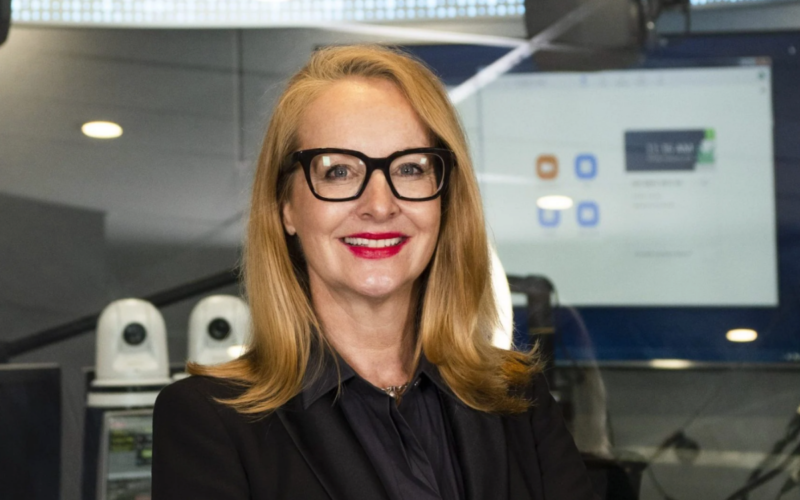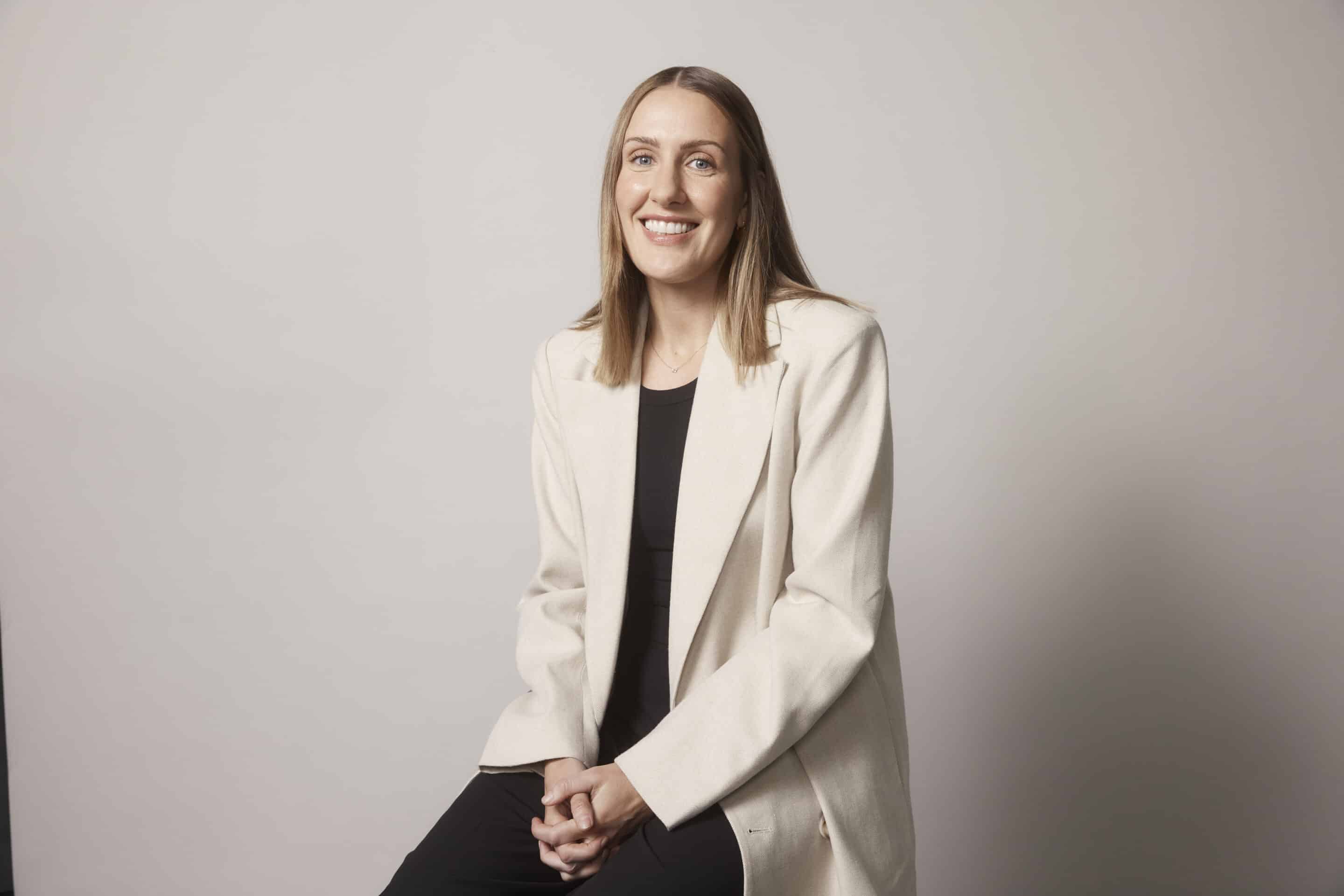
For Lara Hewitt, R/GA’s Executive Director, People & Culture, APAC, one of the strongest arguments for professional development is also one of the simplest: people need to see opportunities to grow and stay where they are.
While salary remains important, Hewitt says people are mainly drawn to new roles by the opportunities they offer.
“If we’re not giving that to our team, then we’re failing them. Why wouldn’t they leave?”
At R/GA, creating those opportunities takes several forms. The agency runs internal development programs aligned to company priorities and identified growth areas, with training also adapted by region. In APAC, that includes a focus on working across different cultures, alongside areas such as AI fluency
That flexibility also comes down to how R/GA is structured: in 2025, R/GA’s global leadership team and private equity firm Truelink Capital bought the agency back from former parent company IPG, making the whole network, including the Australian office, independent of any holding company. With fewer layers of sign-off, there’s more room to move quickly and take chances on development opportunities that don’t fit inside a standard program. In that sense, R/GA is local but international: independently run in each market, with a global network behind it.
Being part of a global, distributed network also means R/GA’s people often work alongside colleagues in other countries, gaining experience that can turn into an outright move. In the past 12 months, three R/GA employees have relocated to work in other markets.
R/GA uses external training where it can’t or doesn’t need to build the capability itself, and offers coaching to individuals where required.
Employees also receive an annual $1,500 development budget, up to $800 of which can be spent on wellbeing, and have considerable freedom to decide with their manager where that investment goes.
That can mean training directly related to someone’s role, but not always.
“We understand that people can learn so much from different avenues,” she said. “It doesn’t have to be, ‘go off on an agile course’.”
That breadth is deliberate. Hewitt said R/GA looks at development in a more “T-shaped” way, with people building knowledge beyond their core discipline, sharing it across teams and bringing different perspectives to problems. In practice, that might mean a brand designer learning product design, or a digital producer learning content production: real cross-discipline experience, not just cross-discipline theory.
Industry training also forms part of the mix. R/GA has used AdSchool courses across different disciplines and career stages for many years, with employees able to put themselves forward rather than being selected by leadership.
For Hewitt, part of the value is exposing people to thinking beyond their own agency.
“The biggest thing that I always hear about AdSchool is the exposure it provides to how other agencies and how other leaders think and work, but in a non-threatening setting,” she said.
For Hewitt, getting people outside the agency also helps broaden their perspective.
“Pushing people out of our four walls to build a different kind of perspective is what’s really valuable.”
Measuring the return on development isn’t always straightforward. Rather than applying a single metric, Hewitt looks for changes in behaviour: people sharing knowledge, approaching problems differently and bringing solutions from unexpected parts of the business.
Internal progression is another indicator. R/GA is currently preparing to promote an employee into a position Hewitt said the agency might previously have filled through an external hire.
“That person’s been trained up; so they can go into that role,” she said. “And obviously, this shows in the work.”
That ability to grow people becomes particularly important as agency capabilities evolve. Hewitt believes technology and craft need to develop alongside one another, rather than agencies viewing one as a replacement for the other.
It is also why Hewitt believes professional development remains important when agencies are under financial pressure.
“I mean, very bluntly, there’s no better place to invest your money than your people,” she said.
“If you can’t invest with money, how else can you invest?”
She said investment should also extend beyond training to areas such as wellbeing and mental health.
“You’re not going to be saving money by not (investing), and I think yeah, you’re just going to be losing the thing that could differentiate you in a very tough market.”