By Max Thorley, Senior Agency Lead, LinkedIn
When budgets tighten, the reflex is to play it safe. Pull back the brand work, lead with the product demo, give finance something rational to sign off on. Watching the Creative B2B winners land at Cannes last month, I think that reflex is exactly backwards.
The most striking thing about the 2026 shortlist wasn’t a new channel or a piece of AI wizardry. It’s a change of mind. B2B marketers have finally stopped marketing to businesses and started marketing to people, abandoning the functional, transactional language that has defined corporate communication for decades and reaching instead for the same emotional and cultural pulls that shape how all of us live and decide outside the office.
And the bar to do it got higher. Last year 45 campaigns made the B2B shortlist; this year only 37 survived. Fewer entries, yes, but mostly a tougher standard. The work that made it through is building worlds, using humour with real confidence, and finding cultural relevance in categories that used to play it dead straight.
Look at what won. The Grand Prix went to SKF, a ball-bearings manufacturer, for The Faroe Islands Space Program, a high-concept idea in about as unglamorous a category as exists.
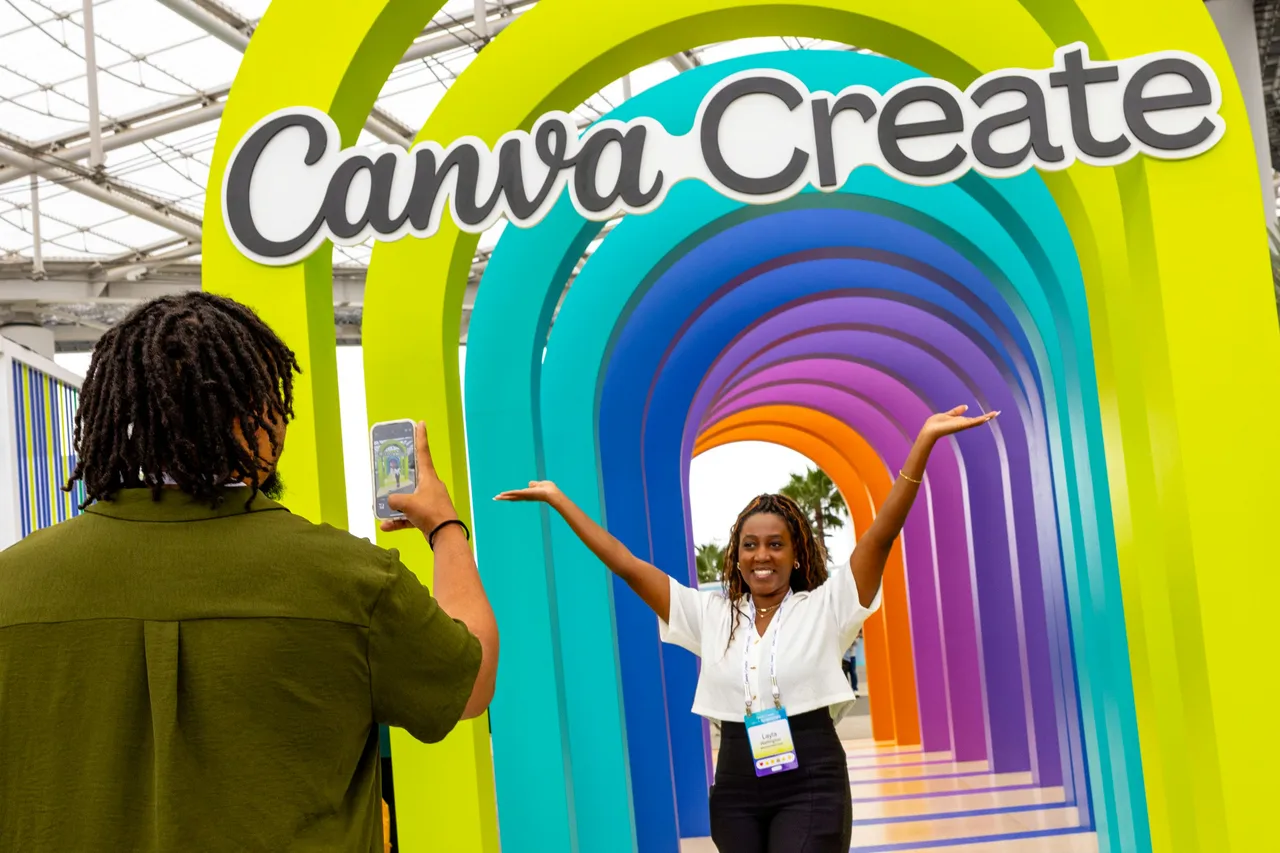
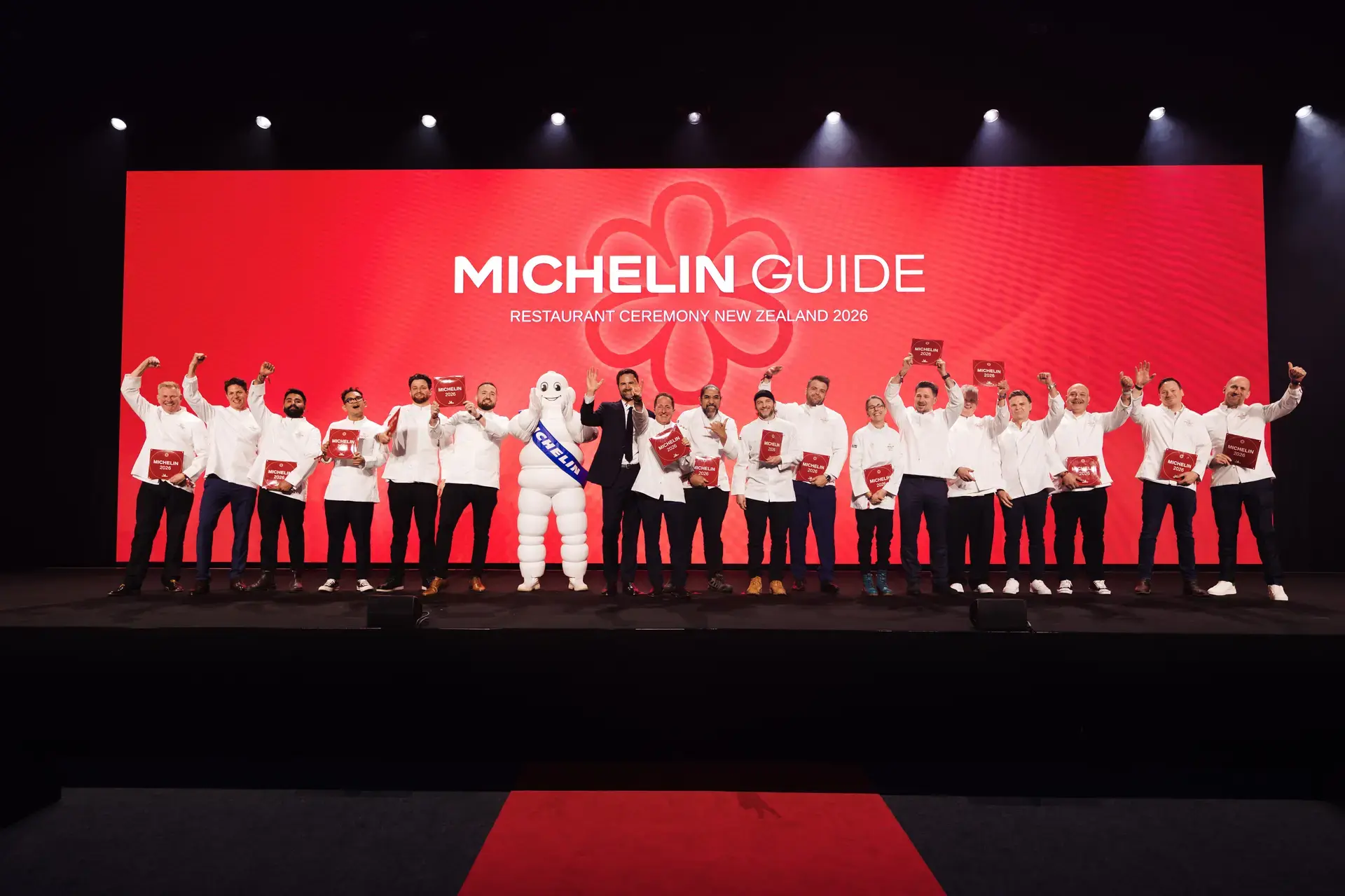
Thailand’s Tra Mongkut Fertiliser took Gold by skipping the product walkthrough entirely for a piece of narrative craft. Canva is treating its users as an audience to entertain, not prospects to convert. Tourism New Zealand turned a single high-value sales target into a story worth telling, flying in a Michelin Guide representative to dinner rather than sending a deck.
Here’s the part that matters for those of us defending budgets in Australia right now: none of this was creativity for its own sake. Awarding SKF the Grand Prix, jury president Ty Heath, who leads LinkedIn’s B2B Institute, put it plainly: “SKF proved that creative bravery in a commodity category delivers real business results.” LIONS CEO Simon Cook framed the winning work as “a growth driver for people, business and society.” And former jury president Wendy Walker of Salesforce has long argued that the best B2B work succeeds precisely because it “brought humour and entertainment into a B2B context and delivered real business impact”, with documented double-digit lifts in consideration and, in some cases, market-value gains in the billions.
That’s the lesson worth putting in your suitcase and bringing home from The Croisette. The brave brief is not the risky one. In a tight cycle, the work most likely to be cut – the emotional, culturally fluent, slightly mad idea – is increasingly the work best able to justify itself to the economic buyer. Safe, rational, product-led B2B feels defensible in a finance meeting. It rarely is. It blends in, it’s forgotten, and it quietly wastes the spend it was meant to protect.
So when a client asks why the bold route is worth it this year, the answer isn’t artistic. It’s commercial. These winners are now the best benchmarking material we have for proving that distinctive, human creative is what defends brand investment when money is tight, not the thing to apologise for.
The CFO doesn’t want braver advertising. They want results. Right now, the bravest work is what’s delivering them.